


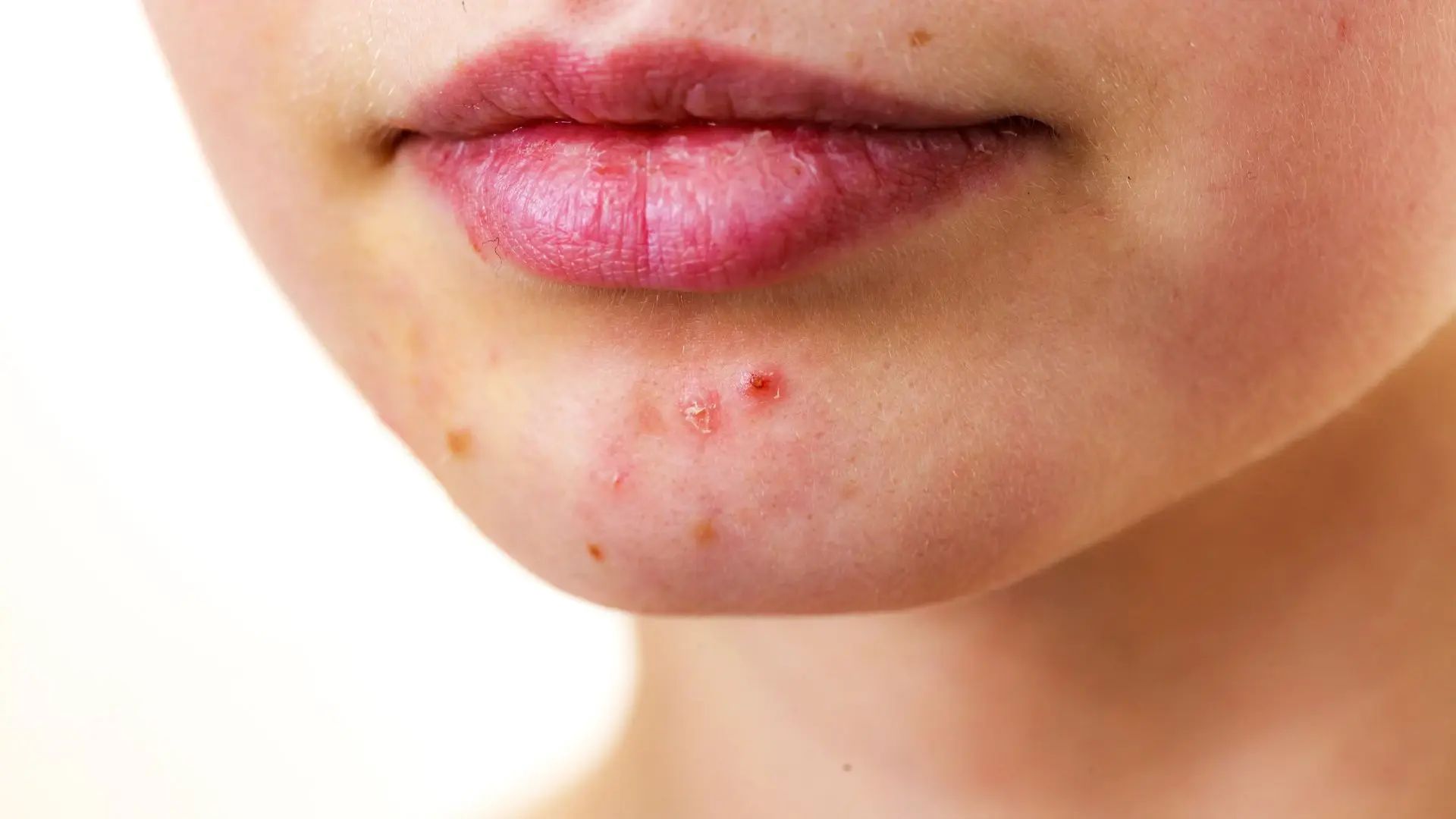
Ever wondered how pimple patches work and why everyone on TikTok, Instagram, and YouTube swears by them? These tiny stickers have taken the skincare world by storm, promising to zap zits overnight and leave you with clean, glowing skin.
Dermatologists call them “mini healing shields” because they use hydrocolloid patches—a technology borrowed from wound care—to draw out impurities, absorb pus, and protect the skin from bacteria. The result? Faster healing, less redness, and zero picking.
Perfect for surface breakouts, they vary on deep cysts but excel preventing inflammation spread. Apply post-cleanse for 6+ hours, follow with gentle moisturizer—no acids needed. Dermatologists like Dr. Emily Rhodes praise “wet healing” results; real users like Sarah transformed event-ruining zits overnight. Brands Hero and PanOxyl add salicylic acid for bacteria kill. Skip trends—these deliver science-backed, mess-free acne solutions for consistent clear skin long-term.
What Makes Pimple Patches So Effective
The real power of pimple patches lies in their material—hydrocolloid. This gel-like substance was originally used to heal wounds by creating a moist environment that helps the skin regenerate. When applied to a breakout, it works the same magic.
How Do Hydrocolloid Pimple Patches Work
When you stick a hydrocolloid patch onto a pimple, it begins absorbing excess oil, pus, and debris trapped inside the pore. This process flattens the pimple, reduces inflammation, and prevents scarring.
The patch acts as a barrier against dirt and your own fingers—because let’s face it, resisting the urge to pop that whitehead is nearly impossible. In just a few hours, you’ll often notice the patch turning white—that’s a visible sign it’s absorbed gunk and impurities.
Why Do Pimple Patches Turn White
If you’ve ever used one, you’ve likely wondered, why do pimple patches turn white? The color change happens when the hydrocolloid absorbs pus and fluids from the breakout. The more white it turns, the more it’s pulled out from your skin.
Think of it as your patch doing the dirty work for you—literally. This is the most satisfying part of the process and the proof that your acne patch is working its magic.
How Fast Do Pimple Patches Work
It depends on your skin type and the type of blemish. Most users notice visible improvement within 6 to 8 hours, making them perfect for overnight use. So yes, how fast do pimple patches work? Sometimes, faster than your favorite serum.
How Long Do Pimple Patches Take to Work
While some pimple patches can flatten whiteheads overnight, deeper cystic pimples may need two to three applications. Patience is key—after all, even the best hero pimple patches or PanOxyl patches need time to draw out everything under the skin’s surface.
Do Pimple Patches Work on Every Type of Acne
Here’s where things get interesting. If you’re wondering, do pimple patches work on cysts or blackheads?—the answer depends on what you’re treating.
Do Pimple Patches Work on Cysts
Cystic acne forms deep under the skin, and since hydrocolloid patches can’t reach that deep, results may vary. However, they still help reduce redness and prevent bacteria from worsening the inflammation.
For surface-level pimples like whiteheads or small pustules, pimple patches are a total game changer. They stop the urge to pick, which means fewer scars and faster healing.
How to Use Pimple Patch the Right Way
Knowing how to use pimple patch correctly makes a huge difference in how well it works.
First, wash and dry your face completely—moisture can reduce the patch’s grip. Then apply the patch directly on the blemish and leave it for at least 6 hours, or overnight.
When you peel it off, check the pimple patch before and after—you’ll likely see that satisfying white center. Follow it up with a gentle cleanser and lightweight moisturizer.
What to Do After Removing Pimple Patch
After removing the patch, treat your skin kindly. Avoid applying harsh acids or retinoids immediately afterward. Instead, use a soothing serum or PanOxyl pimple patch-friendly moisturizer to protect your freshly healed spot.
The Real Magic Behind Hydrocolloid Patches
You might still wonder—how do the pimple patches work beyond just absorbing oil? The hydrocolloid creates a healing microenvironment. It traps moisture, encourages collagen repair, and helps skin recover without scabbing or scarring.
Many experts call this “wet healing,” a technique proven to reduce recovery time by up to 40%. That’s why even hospitals use hydrocolloid bandages for post-surgical care—so it’s no surprise hydrocolloid pimple patches work wonders for acne.
How Do Hydrocolloid Patches Work on Acne
When combined with ingredients like salicylic acid or tea tree oil, hydrocolloid patches can also target bacteria, unclog pores, and prevent future breakouts. Brands like Hero Pimple Patches and PanOxyl patches use this upgraded formula to deliver next-level results.
Pimple Patch Before and After Results
If you’ve seen pimple patches before and after photos online, you know the transformation is real. Red, angry bumps become flat, calm spots by morning. The best part? No scabbing or scars, just clear, smooth skin ready for your next skincare step.
Users often describe the experience as “oddly satisfying” — and it is. Because seeing visible proof of progress makes skincare feel rewarding again.
The Truth Behind the Patch of Pimples
A patch of pimples can feel like your confidence’s worst enemy—but modern skincare has evolved. With hydrocolloid patches and acne patches, we now have a solution that’s discreet, fast-acting, and dermatologist-approved.
The next time a breakout shows up before an event, remember that you don’t have to hide indoors. Just pop on a pimple patch, let it do its thing, and wake up to visible results.
Expert Insight and Real-Life Story
Dermatologist Dr. Emily Rhodes says, “Hydrocolloid patches are one of the simplest, most effective tools to accelerate skin healing. They create the ideal environment for your skin to recover naturally.”
Take Sarah’s story: before her graduation photoshoot, she woke up with a massive zit on her chin. She used a Hero Pimple Patch overnight—and by morning, it was nearly invisible. That’s the power of science meeting skincare.
Do Pimple Patches Work Long Term
Yes—but consistency is key. Using acne patches as part of a healthy skincare routine can minimize breakouts over time by reducing picking and contamination.
For best results, cleanse daily, exfoliate gently, and use hydrocolloid patches when breakouts appear. You’ll not only see faster healing but also fewer dark marks and scars.
The Future of Clear Skin is Here
So, how do pimple patches work in the grand scheme of skincare? They blend modern medical science with convenience. They’re mess-free, easy to use, and incredibly effective.
They’ve become the unsung heroes of acne care—whether it’s PanOxyl patches or Hero pimple patches, these innovations prove that skincare doesn’t need to be complicated to work.
Conclusion
If you’ve ever doubted whether these tiny stickers could really clear your skin, now you know how pimple patches work—and why they’re changing the acne game for good.
They’re more than a trend—they’re a breakthrough backed by science and trusted by dermatologists. From hydrocolloid patches to PanOxyl pimple patches, these little wonders deliver visible results fast.
So next time a breakout strikes, skip the panic—and stick on a patch. Clear skin might just be one night away.
User Queries
1. How does hydrocolloid make pimple patches work?
Hydrocolloid creates a moist healing barrier that absorbs pus, oil and debris from pimples within hours, turning white as proof of extraction. This wet environment promotes collagen repair 40% faster than dry healing while blocking bacteria and finger-picking that causes scars. Dermatologists borrowed this hospital wound tech for overnight acne flattening results.
2. Why do pimple patches turn white after use?
The white color signals successful absorption of pimple fluids, pus and trapped impurities from pores—more white means heavier extraction work done. This visual feedback confirms the patch sealed contaminants while protecting skin from further infection overnight.
3. How fast do pimple patches work on whiteheads vs cysts?
Surface whiteheads flatten in 6-8 hours overnight; pustules shrink dramatically by morning with one application. Deeper cystic acne shows slower redness reduction over 2-3 days since hydrocolloid can’t reach subsurface roots completely.
4. What’s the correct way to use pimple patches effectively?
Cleanse and fully dry skin first for strong adhesion, then apply directly over blemish pressing edges 30 seconds—leave 6-12 hours or overnight. Peel gently, cleanse again, and follow with soothing moisturizer avoiding retinoids/acids that irritate fresh skin. Check before/after: white center confirms successful impurity pull for next-day makeup-ready spots.
5. Do pimple patches work long-term for acne prevention?
Consistent use reduces picking habits and contamination, minimizing post-inflammatory marks and recurring infection cycles over weeks. Pair with daily gentle cleansing plus weekly exfoliation for sustained clear skin patches treat active breakouts while routine prevents new ones.
